


Brainspotting
A gaze that connects emotional and bodily experience

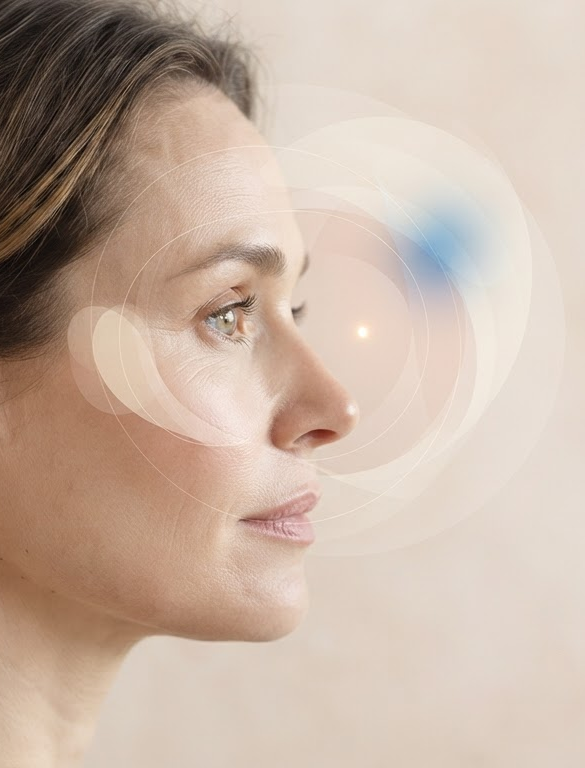
Where you look affects what you feel.
Brainspotting It is one psychological technique Developed by David Grand in 2003, while practicing EMDR with his patients, he was able to observe how, during bilateral visual stimulation, the patients had a reflex ocular reaction in certain positions of the visual field.
The term Brainspotting comes from the English «brainspot», which means «brain point». This refers to a specific Eye position that is related to the activation of a specific neuronal circuit in the brain, which stores the emotional and physiological load associated with an experience.
By locating and maintaining the ocular position, the emotional or physiological reaction that the person experiences in the present is connected to the memory-related network of memory or emotional experience, allowing addressing suffering in a more profound and reparative way, helping the person to process and heal their emotional wounds.
Brainspotting not only allows us to address the trauma or improve the problematic symptomatology in the present, but also allows us to working with the person's strategies and resources, allowing them to foster and expand their strengths, developing their internal resources.
It is indicated for
- Physical and emotional trauma
- Fibromyalgia and other chronic pain
- Dissociative disorder
- Depression
- Addictions
- Management of severe medical conditions
- Chronic fatigue syndrome
- Phobias
- Stress
- Anxiety
- Obsessions
- Dysfunctional emotional reactions
- Sport performance and increased creativity
Shall we talk?
If you are thinking of starting a therapeutic process and want to know if I can accompany you, you can contact me.